

Blog
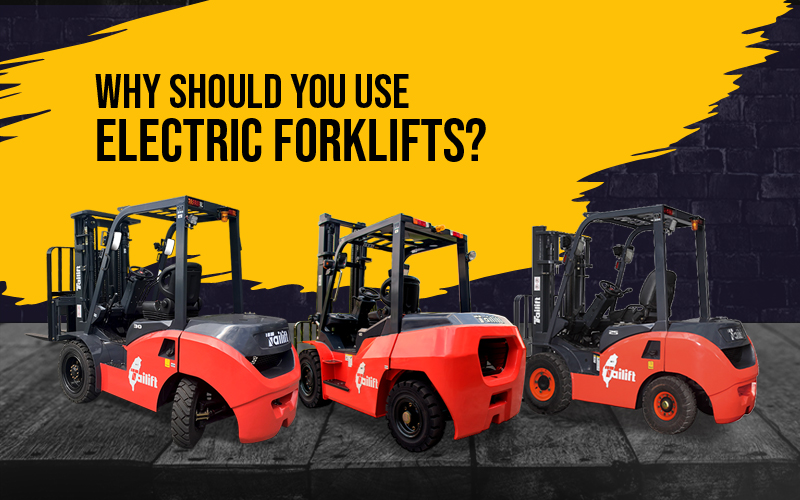
Why Businesses Choose Electric Forklifts

Why Businesses Choose Electric Forklifts
Electric forklifts are becoming increasingly popular in warehouses, distribution centers, manufacturing facilities, and retail operations. As businesses focus on efficiency, sustainability, and cost savings, electric forklifts are proving to be a reliable alternative to traditional fuel-powered machines.
With lower emissions, quieter operation, and reduced maintenance needs, electric forklifts are changing the future of material handling.
What Are Electric Forklifts?
Electric forklifts are material handling machines powered by rechargeable batteries instead of diesel, gasoline, or propane engines. They are designed to lift, move, and transport heavy loads safely and efficiently within warehouses and industrial environments.
Modern electric forklifts are available in different sizes and lifting capacities, making them suitable for a wide range of applications.
Benefits of Electric Forklifts
1. Environmentally Friendly
One of the biggest advantages of electric forklifts is their low environmental impact. Since they produce no direct exhaust emissions, they help improve air quality in indoor workplaces.
Many businesses are adopting electric forklifts to support sustainability goals and comply with environmental regulations.
2. Lower Operating Costs
Electric forklifts generally cost less to operate compared to fuel-powered models. Electricity is often more affordable than diesel or gasoline, and electric motors require fewer moving parts, reducing maintenance expenses.
Businesses can save money on fuel, oil changes, and engine repairs over time.
3. Quiet Operation
Electric forklifts operate more quietly than internal combustion forklifts. This creates a more comfortable working environment for employees and reduces noise pollution in warehouses and factories.
Lower noise levels can also improve communication and workplace safety.
4. Reduced Maintenance
Because electric forklifts have fewer mechanical components, they require less maintenance than traditional forklifts. There are no engine oils, spark plugs, or exhaust systems to maintain.
This helps reduce downtime and increases overall productivity.
5. Improved Maneuverability
Electric forklifts are often more compact and easier to maneuver in tight warehouse spaces. Their responsive controls allow operators to move loads with greater precision, improving efficiency in busy work environments.
Common Applications
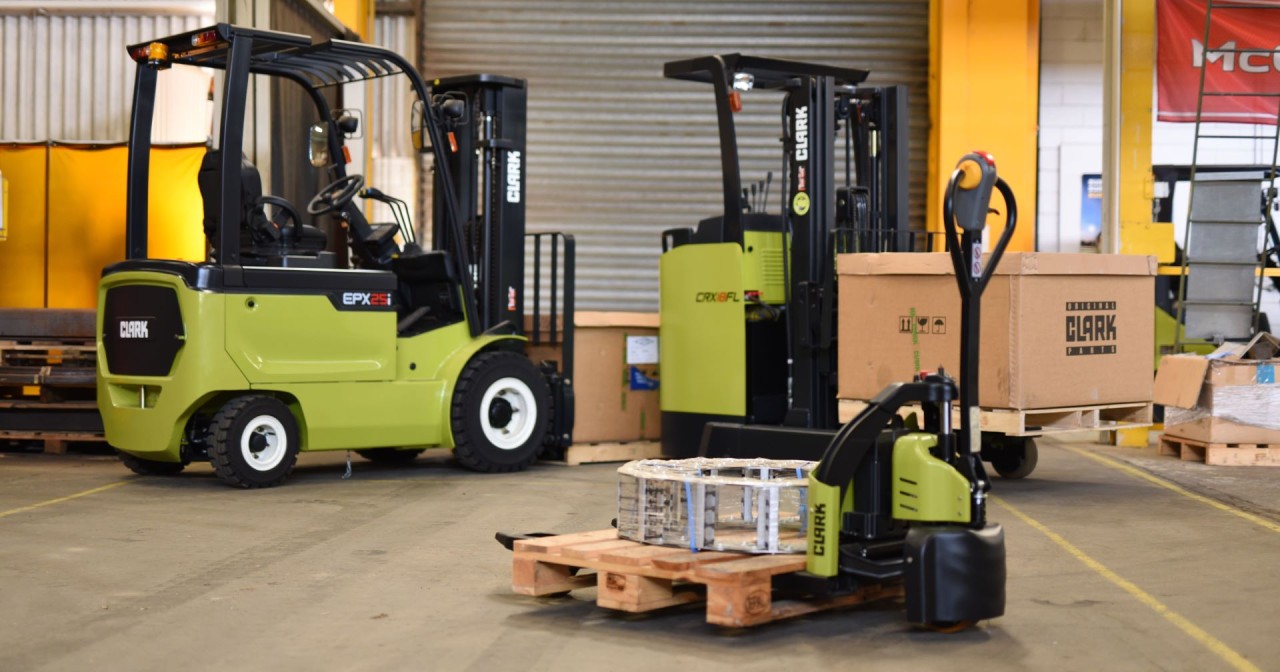
Electric forklifts are widely used in industries that require efficient indoor material handling. Common applications include:
- Warehousing and storage
- Retail distribution centers
- Manufacturing facilities
- Food and beverage operations
- Pharmaceutical warehouses
- E-commerce fulfillment centers
Their clean operation makes them especially suitable for indoor environments where air quality is important.
Battery Technology Advancements
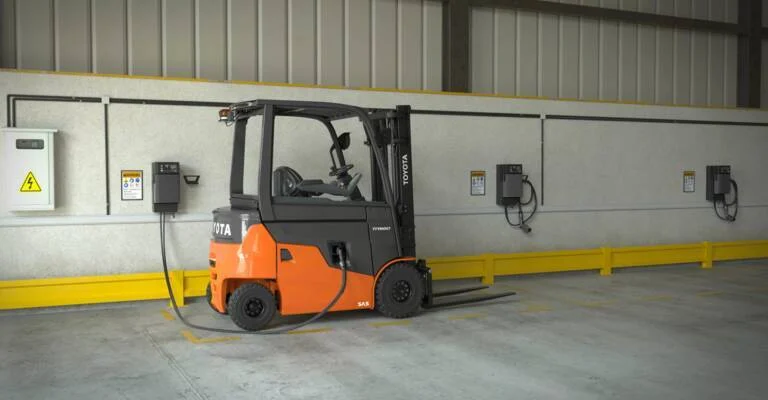
Battery technology has improved significantly in recent years. Modern electric forklifts often use lithium-ion batteries, which offer faster charging times, longer battery life, and improved efficiency compared to traditional lead-acid batteries.
Some advanced models also support opportunity charging, allowing batteries to recharge during short work breaks and reducing downtime.
Comparing Electric and Fuel-Powered Forklifts
Both electric and fuel-powered forklifts have advantages depending on the application.
Comparing Electric and Fuel-Powered Forklifts
Both electric and fuel-powered forklifts have advantages depending on the application.
Electric Forklifts
- Lower emissions
- Quieter operation
- Reduced maintenance
- Better for indoor use
Fuel-Powered Forklifts
- Longer continuous operation
- Better for heavy outdoor tasks
- Faster refueling
Businesses should evaluate their workload, operating environment, and long-term costs before selecting the right forklift type.
Safety Features
Modern electric forklifts include several safety improvements designed to protect operators and warehouse staff. Common safety features include:
- Automatic braking systems
- Stability controls
- Operator presence sensors
- Improved visibility
- Speed management systems
These features help reduce accidents and improve workplace safety.
The Growing Demand for Electric Forklifts
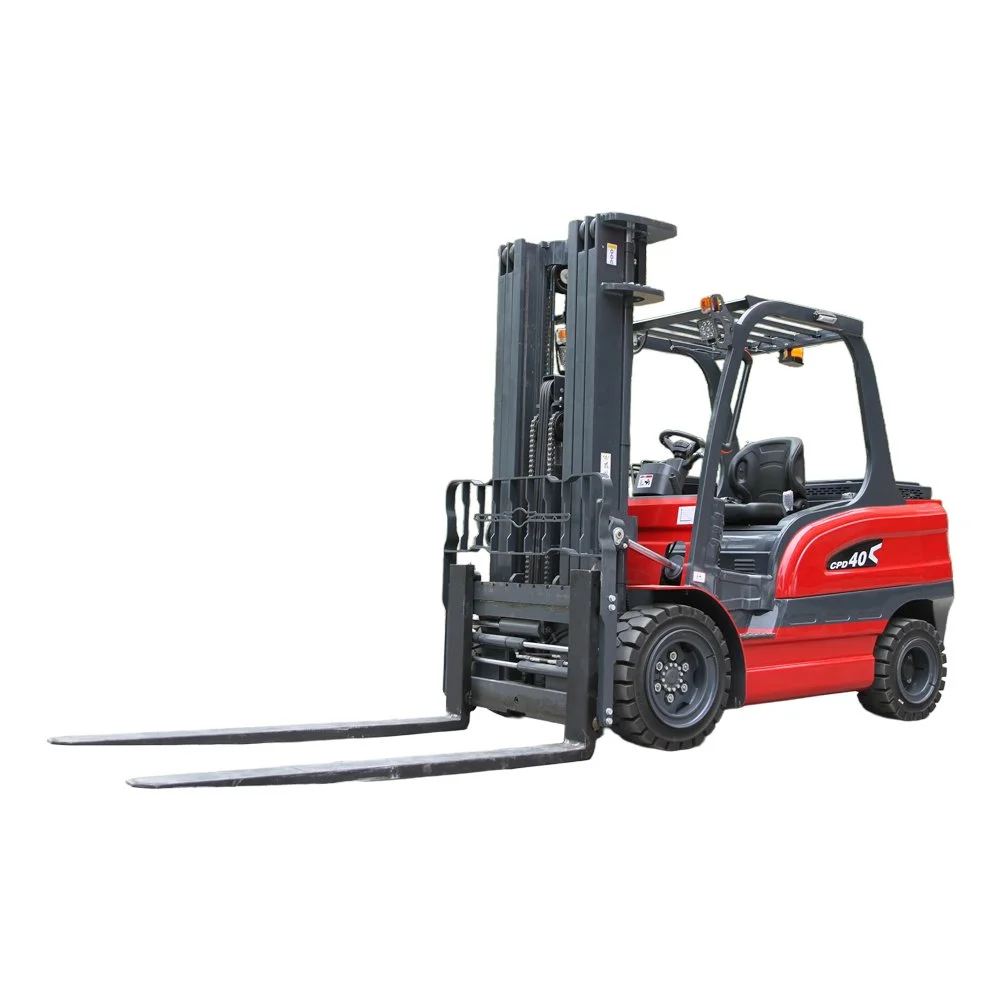
The demand for electric forklifts continues to grow as industries prioritize cleaner and more efficient operations. E-commerce growth and expanding warehouse operations have increased the need for reliable material handling equipment.
Government regulations and sustainability initiatives are also encouraging businesses to switch to electric-powered machinery.
The Future of Electric Forklifts
The future of electric forklifts looks promising as technology continues to improve. Manufacturers are developing machines with longer battery life, faster charging systems, and smart monitoring technology.
Automation and artificial intelligence may also play a larger role in warehouse operations, allowing electric forklifts to work alongside automated systems for improved efficiency.
Conclusion
Electric forklifts are transforming the material handling industry with their efficiency, lower operating costs, and environmentally friendly performance. Their quiet operation, reduced maintenance needs, and advanced battery technology make them a practical solution for modern businesses.
As companies continue to focus on sustainability and productivity, electric forklifts will remain an important part of warehouse and industrial operations for years to come.