

Blog
Trends in Equipment & Machinery

Trends in Equipment & Machinery
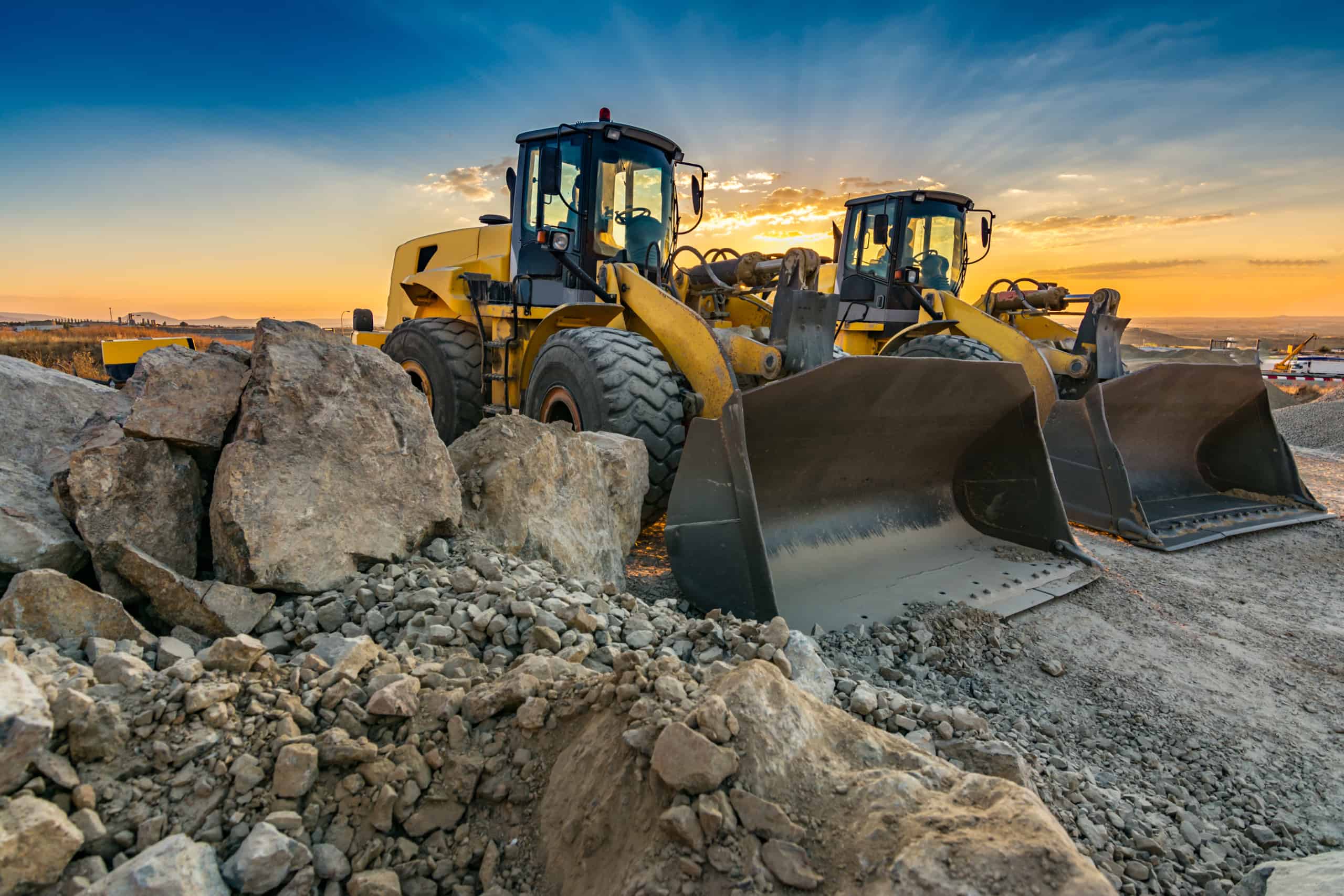
Equipment and machinery play a major role in industries such as construction, agriculture, manufacturing, transportation, and logistics. Modern machines help businesses improve productivity, reduce labor costs, and complete projects more efficiently. As technology continues to evolve, equipment and machinery are becoming smarter, safer, and more environmentally friendly.
The Importance of Equipment & Machinery
Heavy equipment and industrial machinery are essential for handling tasks that would otherwise require significant time and manpower. From excavators and forklifts to tractors and manufacturing systems, these machines allow businesses to operate faster and more effectively.
Companies that invest in reliable equipment often experience better productivity, improved safety, and lower operating costs. Modern machinery also helps reduce downtime and improve project timelines.
Growing Demand for Advanced Machinery
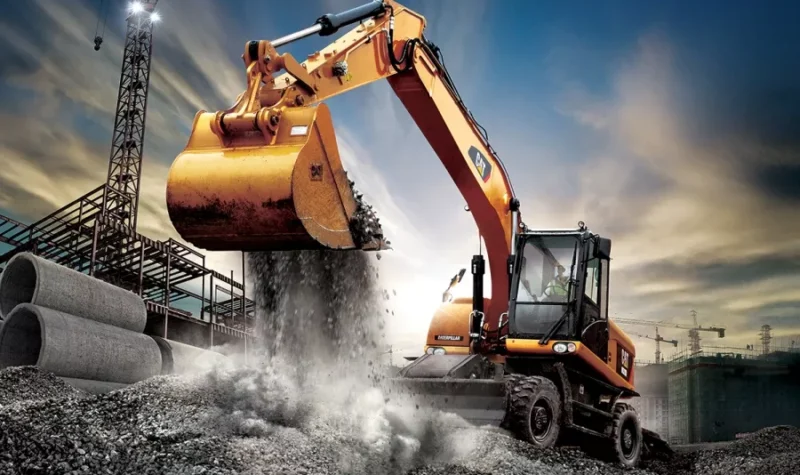
Industries around the world are increasingly relying on advanced equipment to meet growing demands. Construction companies need faster and more efficient machines for infrastructure projects, while manufacturers require automation systems to improve production.
The demand for compact and versatile machinery has also increased. Businesses prefer equipment that can handle multiple tasks while operating efficiently in limited spaces.
Key Trends in Equipment & Machinery
1. Automation and Smart Technology
Automation is changing how industries operate. Many modern machines now include advanced sensors, GPS systems, and digital controls that improve accuracy and efficiency.
Smart technology allows operators to monitor machine performance, fuel usage, and maintenance needs in real time. This helps businesses reduce unexpected breakdowns and improve productivity.
2. Fuel Efficiency
Rising fuel costs have encouraged manufacturers to develop more fuel-efficient machinery. New engine technologies help reduce fuel consumption while maintaining strong performance.
Fuel-efficient equipment not only lowers operating expenses but also reduces environmental impact.
3. Electric and Hybrid Equipment
Electric and hybrid machinery are becoming more popular across different industries. Electric forklifts, compact loaders, and other battery-powered machines offer quieter operation and lower emissions compared to traditional diesel equipment.
As environmental regulations continue to grow, many companies are investing in cleaner and more sustainable equipment solutions.
4. Compact Equipment
Compact machinery such as mini excavators and mini skid steers are in high demand because they can operate in tight spaces while delivering strong performance. These machines are commonly used in urban construction, landscaping, and residential projects.
Their smaller size also makes transportation easier and more affordable.
5. Improved Safety Features
Safety remains a top priority in equipment design. Modern machinery often includes features such as:
- Backup cameras
- Stability controls
- Emergency shut-off systems
- Enhanced visibility
- Operator assistance technology
These features help reduce accidents and create safer working environments.
Benefits of Modern Equipment
Businesses that use modern machinery can gain several advantages, including:
- Increased productivity
- Faster project completion
- Lower maintenance costs
- Reduced labor requirements
- Improved operational safety
- Better fuel efficiency
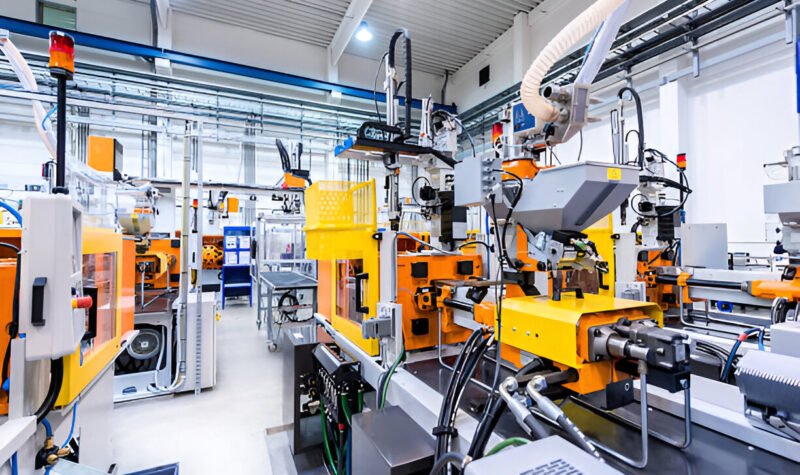
Advanced equipment also improves the quality and consistency of work, helping businesses remain competitive in their industries.
Choosing the Right Equipment
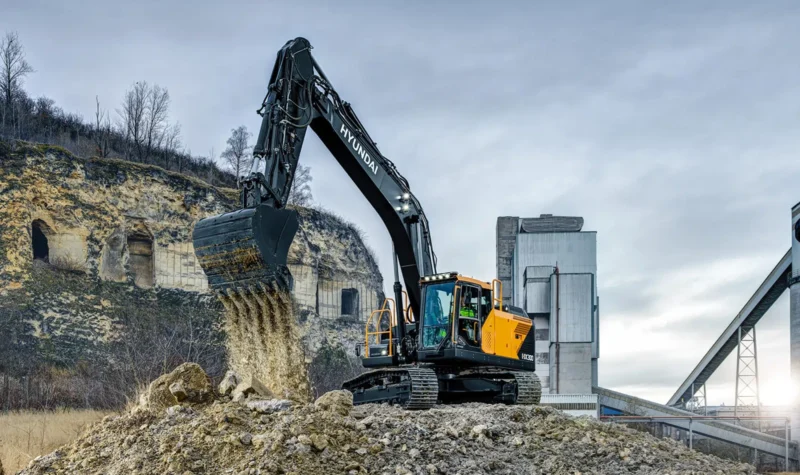
Selecting the right machinery depends on the type of work being performed. Businesses should consider factors such as:
- Equipment size and capacity
- Fuel efficiency
- Maintenance requirements
- Operator comfort
- Attachment compatibility
- Overall operating costs
Investing in the right equipment helps companies maximize efficiency and reduce unnecessary expenses.
Challenges in the Industry
Although equipment and machinery offer many advantages, businesses also face challenges such as rising equipment costs, maintenance expenses, and operator training requirements. Companies must ensure that workers are properly trained to operate machines safely and efficiently.
Supply chain disruptions and rising material costs have also affected equipment availability in recent years, making equipment management more important than ever.
The Future of Equipment & Machinery
The future of equipment and machinery will likely focus on automation, sustainability, and digital integration. Manufacturers are developing machines that are more connected, energy-efficient, and capable of operating with minimal human intervention.
Artificial intelligence, remote monitoring, and predictive maintenance systems are expected to become more common, helping businesses improve efficiency and reduce downtime.
Conclusion
Equipment and machinery continue to shape industries by improving productivity, efficiency, and safety. From compact construction equipment to advanced manufacturing systems, modern machinery helps businesses complete tasks faster and more effectively.
As technology advances, industries will continue adopting smarter and more sustainable equipment solutions. Companies that invest in modern machinery can improve performance, reduce costs, and remain competitive in an evolving market.